


Resonance: A Plague Tale Legacy launched over a month ago to a mostly positive reception from critics and fans, scoring 78 on Metacritic. It was a small step down from the previous A Plague Tale games, which scored 81 and 82, respectively. It is a shift in direction as Resonance moves away from the classic stealth gameplay that gave fame to the A Plague Tale games.
Set 15 years before the events of A Plague Tale: Requiem, Resonance: A Plague Tale Legacy (yes, it is a mouthful) delves into the past of the fan-favourite side character Sophia, who is trying to find answers to the nightmares that have haunted her since her stay at a convent. Asobo Studio wanted to experiment with a different character after spending 7 years on Amicia and Hugo de Rune and their struggles with the Prima Macula. It’s an understandable change because while I loved the previous two Plague Tale games as a player, I also wanted to see this team work on something new.
Raised in the shadow of her father’s smuggling trade, she inherited both his criminal legacy and his obsession with Minotaur Island after his death. The shared grief over Alec’s death and self-loathing sets up an interesting dynamic between Sophia and Faro, who adopts Sophia and leads the smugglers in Alec’s place.
Echoes of the Past
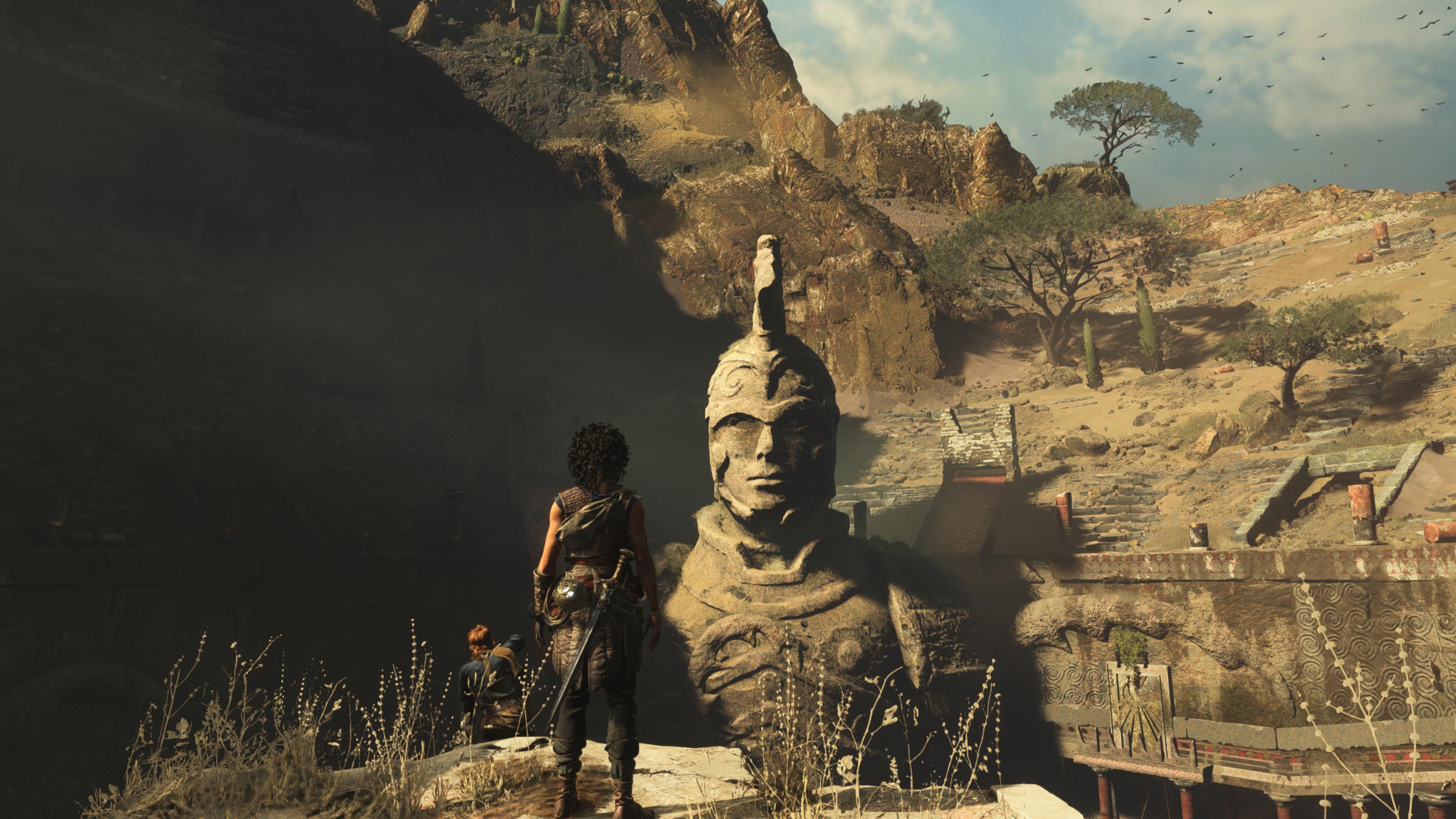
While the combat is certainly a departure from the previous games, Resonance’s story is still based around themes of grief and trauma, just like Innocence and Requiem. Sophia and Faro were never really able to move on from Alec’s death: the daughter who never moved on from her father’s demise and the right-hand man who feels responsible for the death of his best friend. Sadly, the game never really stops the action to take a breather and explore the characters’ psyche and bonds properly. It can be seen with other side characters like Irene and Ezra too, who are fascinating at first glance but never really fleshed out to be more than what they seem to be.
A main part of the game is Sophia’s link to Theseus, who was a Greek warrior taking part in the trials held by King Minos centuries ago. Sophia experiences visions of Theseus skillfully fighting through the trials and feels as if Theseus is the one who has been calling her to the island all this time. Theseus is one of the strongest parts of the game and is shown to be an honourable but powerful warrior who is looking to win the trials and become the next heir to the throne. The developers ably understand that we as players enjoy playing through the trials because of their grandiosity despite the sadistic tendencies on display, and it makes for an interesting critique of human nature. Similarly, Sophia blames Faro for causing the death of many people in his search for the treasure on the Minotaur Island while she exhibits the same disregard for safety as she takes her friend Leni with her to find the treasure.
I cannot go into details to avoid spoilers, but the Prima Macula curse is utilised well in this entry, and it also explains certain elements of the previous game Requiem.
The Scorpion’s Sting
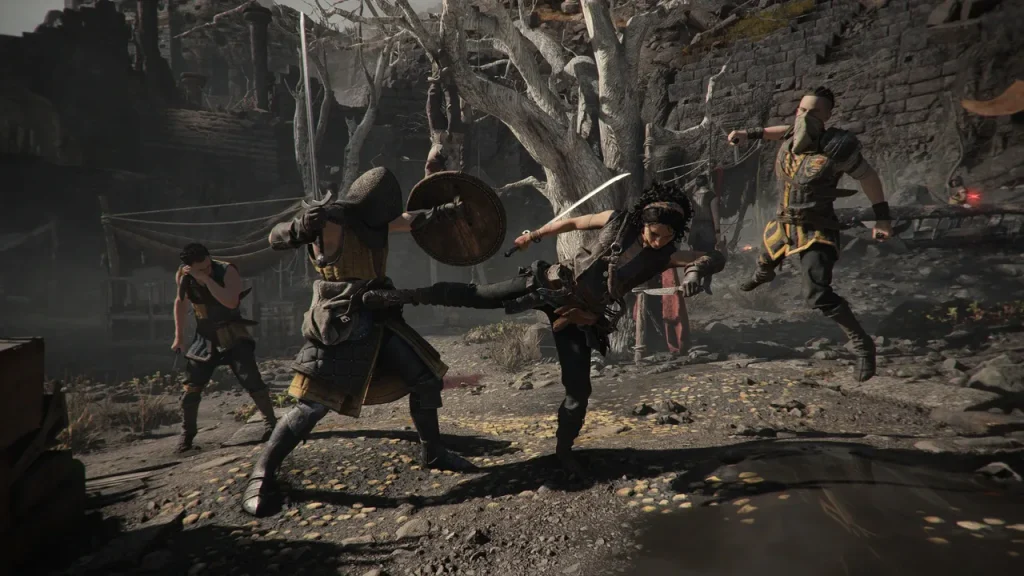
Resonance’s combat takes a much more action-focused direction, which makes sense for Sophia’s character as she was raised by plunderers and was taught to fight from a young age. The gameplay relies on timely parries and dodges, with the combat rewarding you for parries by fully stunning the enemy. It certainly feels great when you are able to execute multiple parries in a row when fighting against groups of enemies. Resonance’s lead level designer, Valérian Robert, explained to Rock Paper Shotgun that the team studied games like Sifu, Sekiro, and Ghost of Tsushima to make Resonance’s combat. It can definitely be seen in the game, with the gameplay loop incentivising you to read enemy attacks and plan your approach accordingly while keeping an eye on other enemies circling you. The developers do want you to balance this by playing aggressively, with Sophia only being able to take three hits during combat, recovering one segment of your health each time you kill an enemy.
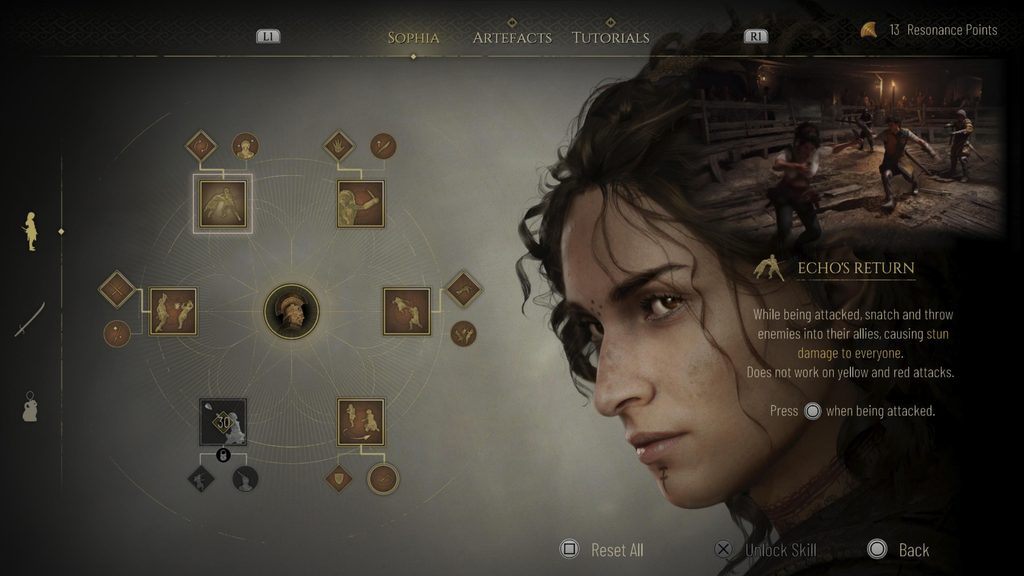
Resonance’s skill tree is pretty simplistic, with only six main skills available, which can be unlocked by using resonance points. After unlocking a skill, you can choose to spend resonance points to master it and then use one of two abilities attached to the main skill. It’s certainly meant to give players more freedom in combat, but I tried switching between different secondary abilities and never felt like my playstyle was significantly influenced by them. It is a problem in the latter half of the game because you do not get to fight against new enemy types, and the combat feels unevolving. The same combat scenarios that felt exciting at the start of the game began to feel like they are only meant to serve as a short break from the puzzle and exploration sections.
In many combat scenarios, you have an ally fighting with you, but they only finish off the enemy they are fighting after you have killed everyone else. It felt like the developers could not think of a narrative reason for them to not join the combat, so they just stay detached from the action and stand on the side dealing with a random enemy. It completely lacks any dynamic cooperation, with no double takedown opportunities as in Spider-Man 2, or just letting us appropriately use our ally’s combat abilities like Atreus in God of War.
Exploring the Labyrinth
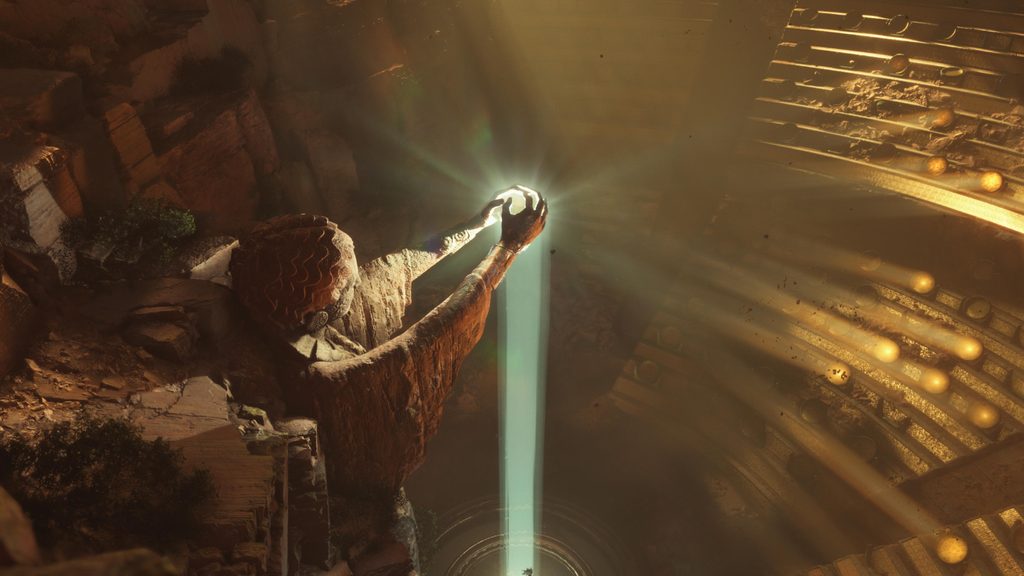
Resonance’s world is a visual feast, with the game’s colours more regularly popping out than Innocence or Requiem. It is definitely an artistic choice, as I compared some daylight areas in Requiem with those in Resonance, and it is a stark difference. The game looks beautiful and definitely pushes you to enjoy the setting and spend some time with the included photo mode. It also has more open-ended sections, but they can be hit or miss. It can be hard to differentiate between paths we can explore to find collectibles and Resonance Points, and which will lock us into progressing the main story. There were multiple instances in which I had to guess which path wouldn’t lead to main story progress, and it got tiring. Sometimes, I progressed to the end of a path in search of collectibles before the game finally let me know it was the main path, and it led to many minutes of backtracking. Spending time searching for collectibles did feel rewarding, as they provide different buffs, like a chance that you will deal more damage with your Critical Strikes. As you collect more for the same category, the chance will increase with each one collected. (You can revisit previous chapters to find the ones you missed)
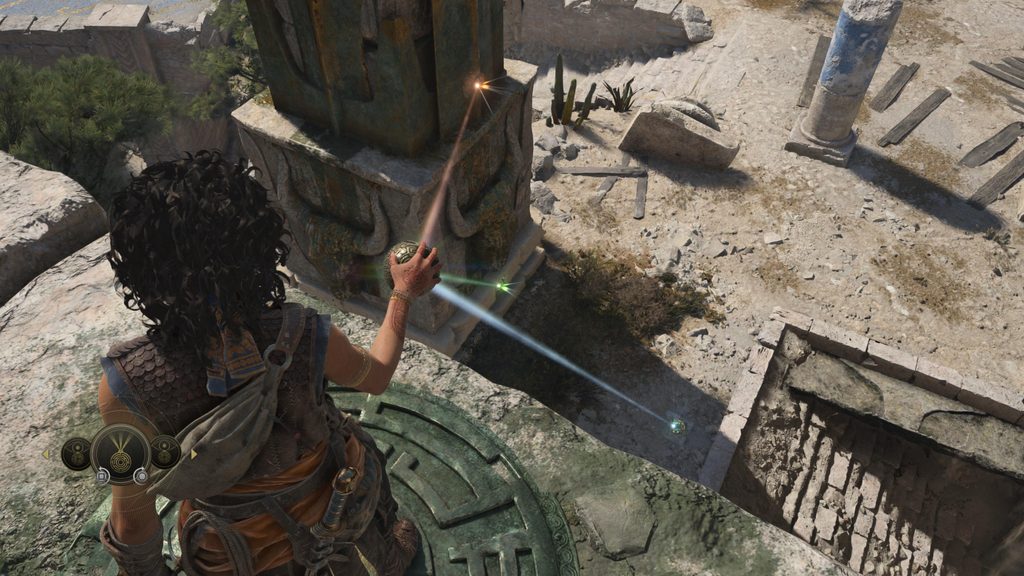
Puzzles are one of my favourite parts of the game, and they were mostly executed well enough to give me enough challenge that solving them gave enough satisfaction. While initial puzzles were simple enough that they only required using the Sphere’s white light to find the clues needed to progress, later you also had to position yourself perfectly so the blue, red, and green lights emitted from the Sphere matched the crystals. Sophia’s journal also contains clues that were left by the previous expeditions led by Alec and Faro. It was a nice touch that Sophia was continuing their work by adding to the journal with her own discoveries and eventually new puzzles that they were not able to reach.
As someone who was disappointed by the performance and visuals of A Plague Tale: Requiem on PS5 Pro, I am happy to report that Resonance looks and performs much better. I only noticed minor performance dips during free-roam sections when I was about to start combat. On the visual side, the game holds up well when compared to other current-gen releases, and it truly shines during outdoor sections.
Overall, I believe that Resonance is a great game that deserves to be played by fans of the A Plague Tale franchise and newcomers too, as this game is set as a prequel. It does not break new ground with its combat or puzzles, but the package fits well altogether when presented with the Prima Macula mythos and a well-crafted story. I am excited to see what style of game Asobo Studio will make next, now that they have gained experience in making a proper action combat system with Resonance.
If you enjoyed this article, please do have a look at our newly built game review website and also check out our other reviews;
Marvel’s Wolverine Review
Valheim 1.0 Review
Resonance: A Plague Tale Legacy: Resonance: A Plague Tale Legacy is meant to be a step in a different direction for the developers, and it mostly lands its execution well. The story is still on the level expected of a Plague Tale game, but the combat and exploration leave room for improvement. – zain