

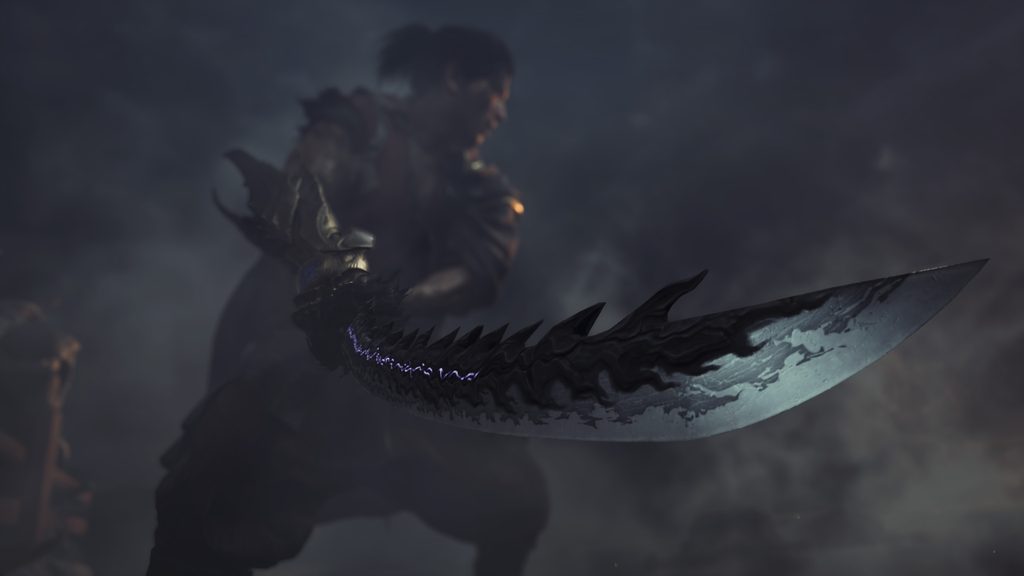
Onimusha, one of Capcom’s finest video game franchises which remained dormant for twenty years, finally made a comeback with its fifth mainline entry. Way of the Sword —this time featuring a semi-open-world setting, abandoning the fixed camera angles of its predecessors with better-than-ever combat. With a badass protagonist, Miyamoto Musashi, who is based on the real-life master swordsman and rōnin who was undefeated in over 60 duels. Capcom’s iteration of characters is no less formidable, incorporating supernatural mythos. The game is set in early Edo-period Kyoto, Japan.
Journey Begins With the Pursuit of Greatness
The game begins with Musashi challenging the head of a school to combat. Minor Introduction Spoilers ahead in these two paragraphs; He lives by the sword with the pursuit of becoming the greatest swordsman who ever lived, leading him to Kyoto. After defeating the leader of the school and fending off the angry pupils of the master he just defeated, he encounters his rival Sasaki Ganryu (also a real-life Samurai) who is desperate for a rematch. But before he can have that, he is ambushed and killed by the Genma. A similar fate follows Musashi.
He is revived by a mysterious man who grants him a second life and the Oni Gauntlet; this is where his true journey begins. Thanks to the power of Oni, he’s able to defeat the Genma unlike the previous protagonists. Instead of using the gauntlet’s power, he wants to get rid of it. The gauntlet leads towards Rokudo-chinnoji Temple in Eastern Kyoto where he’s to meet Takamura, a man who has answers to his questions and an explanation for his newfound powers. It seems he has no option but to forge an alliance with Takamura and his companion in order to take the Oni gauntlet off him. He agrees to help rid Kyoto of the malice and feed the gauntlet enough genma souls to take it off.
Story and Characters
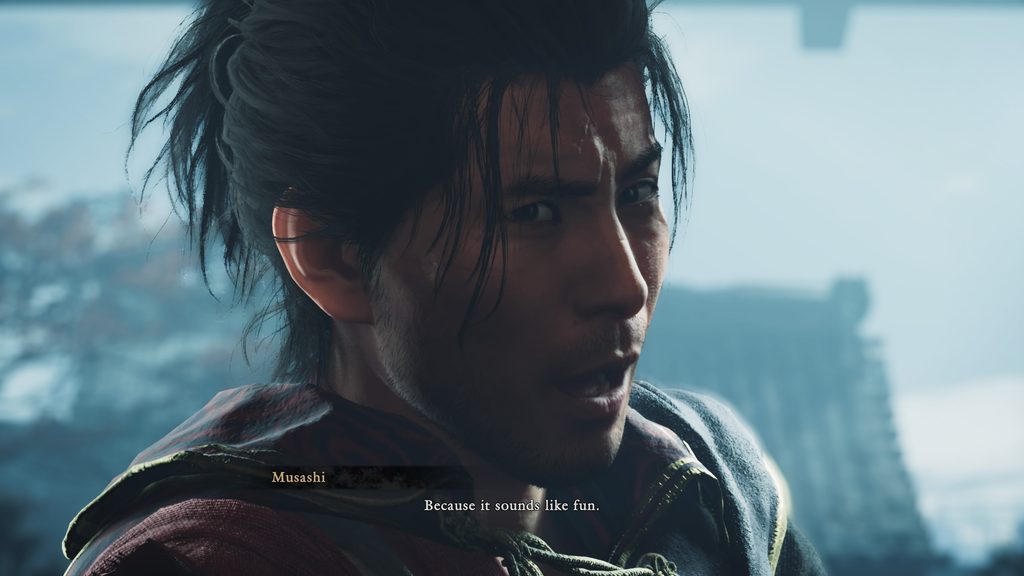
The narrative of the game is good, with an ultimate evil which needs to be dealt with as standard dark fantasy fare. There is no imminent threat, so Musashi, along with his companion Shizuka (the gauntlet lady), attends to various less pressing matters that can feel slow at the beginning of the game. However, I see it as him exploring and helping the people of Kyoto at the behest of his companions. The characters are very well written, likeable and charismatic. Takamura is the strong-headed mentor, Okuni is like a little sister constantly getting into arguments with Musashi and Shizuka is often the voice of reason with her grounded presence—all of which made me actually care about the game and its lore. It adds to the game’s charm and gives a touch of some anime-inspired storytelling style to it. There is drama, comedy and sorrow. I feel like there is more emphasis on the story here than usual for Capcom titles.
Art of Defense
Way of the Sword excels with its beautifully crafted combat, which is defence-oriented, with standard Light and Heavy basic attacks, along with various combo chains. In Onimusha; Way of the Sword, the best offence is the best defence. In addition to that, you can block and dodge—both can be perfectly timed. Dodging works for unarmed melee attacks and is the easiest to execute; timing it right triggers a Reflex-Dodge which looks like a slick shadow step. Blocking before an attack hits allows Musashi to perform a parry, which depletes an enemy’s stamina and opens them up for a follow-up attack.
You can also reflect, which is the best defensive strategy since it takes a big chunk out of an enemy’s or boss’s stamina bar. Once the bar is fully depleted, enemies and bosses enter the exhausted state where you can perform an execution style attack that deals major damage. Then there is the famous Issen attack. It’s a double-edged counterattack performed by pressing a light or heavy attack just as the enemy’s hit lands. The timing requires precision, and missing it opens you up to take the hit. Performing Issen feels very satisfying and rewarding as Musashi slashes his foe with a lightning-fast strike.
Oni Armaments and Special Attacks
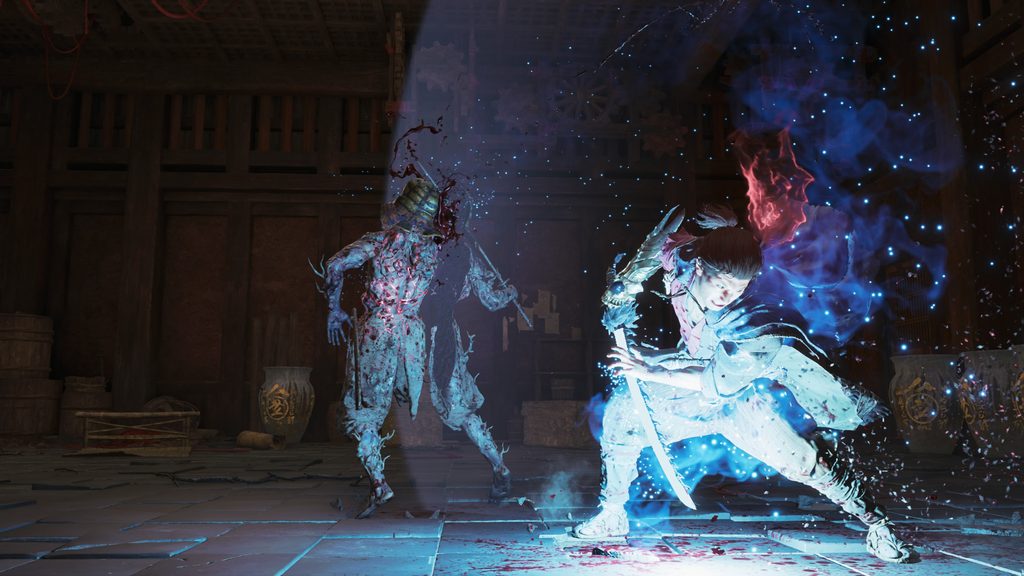
As you progress through the story, you unlock Oni Armaments, which are special weapons that deal devastating damage, each with its own strengths and weaknesses. For example, the Wind-Whipper is excellent for clearing a horde of Genma but doesn’t deal too much damage to bosses. Conversely, the Two Celestials—a twin-blade—inflicts direct damage to the yellow bar (health bar) and extracts the yellow souls. In contrast, Earth Shaker hammers are best used when you want to inflict stamina damage. It all depends on the situation and your playstyle.
However, Oni Armaments need blue souls in order to fill their gauge before use. The game also features an upgrade system for equipment (Sword, Oni Gauntlet and the Robe) which increases attack, defence, and Oni powers. It also has a skill tree which is divided into two parts: one for basic attacks and skills, and the other one for Oni Powers and Armaments.
Brilliant Boss Designs
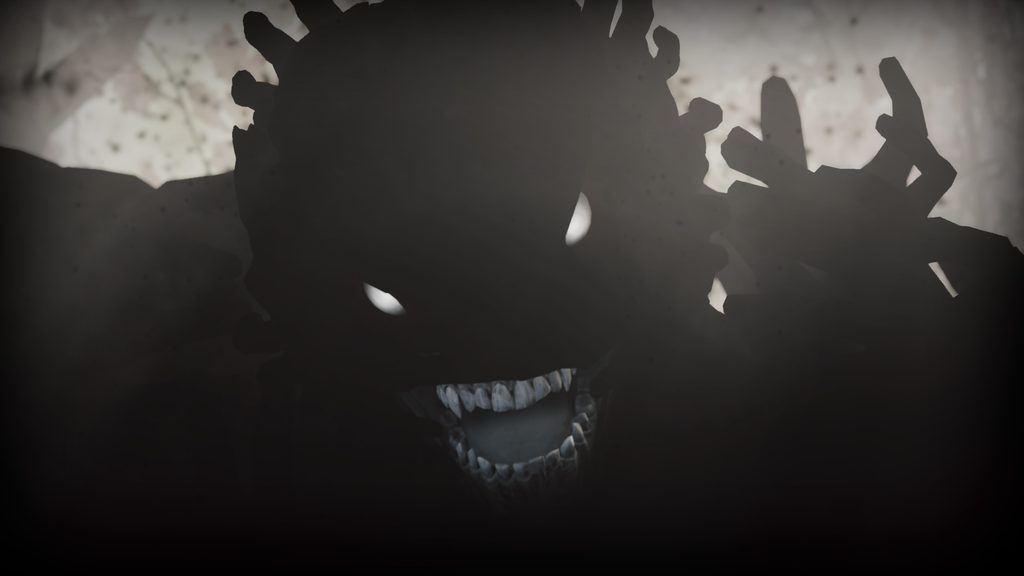
One of the most memorable aspects of this game is its bosses and their distinct, unique designs. Capcom has done a great job of breathing life into Japanese mythology and folklore, which can be seen from the game’s main bosses as well as general enemy design. “No challenge” is one of Musashi’s favourite catchphrases when cutting down foes. Despite that, the combat can get quite challenging when fighting bosses, which was already evident from the demo. Combat is not like the previous Onimusha games, where it was more forgiving. While it’s not as tough as Soulslike games, it still requires skill and patience. Personally, I loved every bit of it.
You cannot button-mash through bosses; each boss has a unique playstyle and moveset you must adapt to them accordingly, utilising the skills and armaments at your disposal which best capitalise on the bosses’ weaknesses. While some mini-bosses appear in the game’s main and side missions multiple times, all of the main bosses are distinct and mechanically varied, keeping the game from ever getting dull or repetitive. Even the repeating mini-bosses are fun to play thanks to the game’s amazing and stylish combat. Musashi often adds insult to injury when he’s dealing the final blow to smaller foes. However, with stronger opponents, he relishes the challenge and shows his gratitude for the duel, which makes him even cooler. He does not back down from a fight even when the odds are against him.
World and Performance
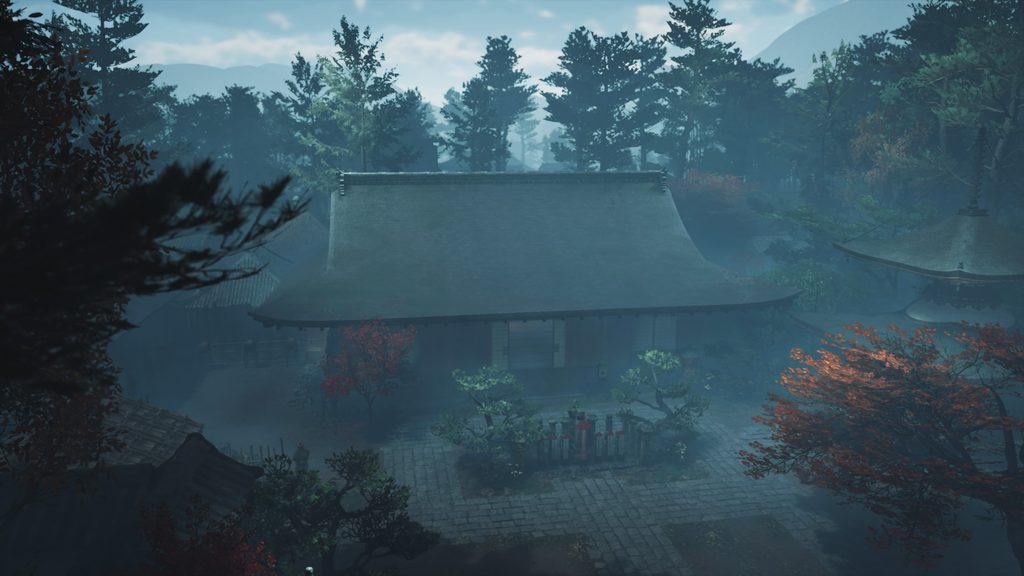
The world of Onimusha: Way of the Sword looks visually captivating with the addition of the semi-open world Kyoto; the game also features classic-style linear missions, each with its own ambience and identity that sets the mood very well. At times, it felt like a horror scene with Musashi stuck in a castle designed like a maze reminiscent of Resident Evil’s style of level design. The game runs and sounds impeccably well; I did not experience a single bug or crash during my time with it on a base PS5 at a constant 60 fps in Performance Mode. The sound design is equally impressive, with unique boss music and satisfying audible feedback and cues for perfect parries.
Ther Verdict
Onimusha: Way of the Sword is a perfect example of how a dormant IP should make its comeback, with rich lore, lovable characters, series-best combat and memorable boss battles, along with high replayability. It is a fantastic game and a stellar achievement which I can easily recommend not only to the fans of the franchise but to anyone who loves the action-game genre.
Onimusha: Way of the Sword: It's a perfect action game with stylish and satisfying gameplay, cool characters and gripping dark fantasy setting. – Sunyan